Learn about different types of Rudraksha based on their origin – an essential guide for Rudraksha collectors, seekers and buyers of authentic beads.
Rudraksha beads have been used for centuries in Hinduism, Buddhism, spirituality and Ayurveda. These sacred beads are believed to be gifts from Lord Shiva in the form of seeds. Wearing them has many spiritual benefits and helps in auras and overall wellbeing. Yet many people do not know that Rudraksha beads are grown in different parts of the world and have very different characteristics.
What is Rudraksha?
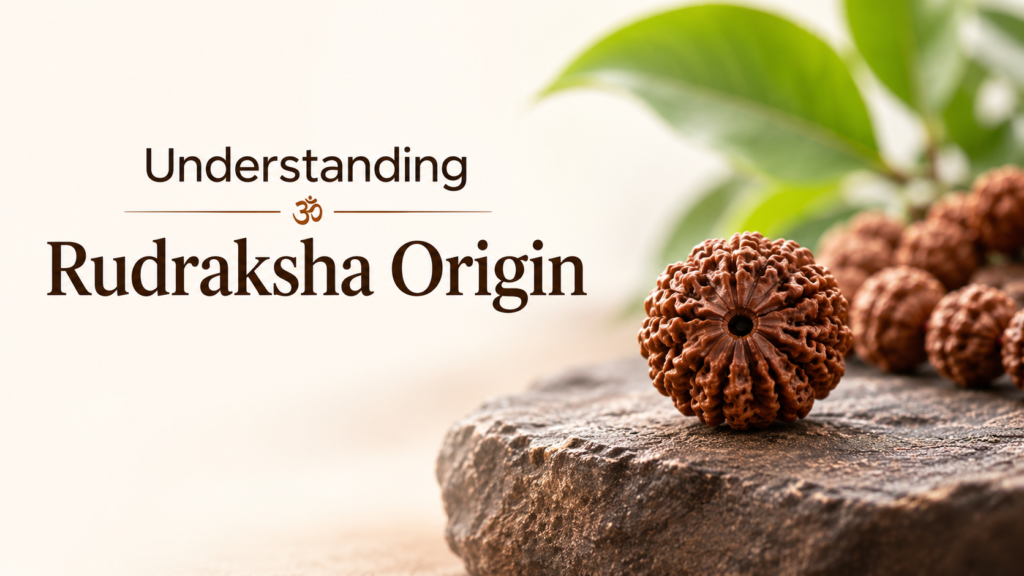
Rudraksha is the seed of the *Elaeocarpus ganitrus* tree, which is native to tropical and subtropical regions. The seed forms naturally segmented lines called “Mukhis”. Mukhis are categories used for classifying beads.
The word Rudraksha is from Sanskrit, with Rudra being an epithet of Lord Shiva, and Aksha meaning “tear” or “eye”. In Hindu belief Rudraksha is formed from Lord Shiva’s drops while shedding his tears.
Where does Rudraksha grow?
Rudraksha are native to the following countries:
* Nepal
* Indonesia
* India
* Bhutan
* Thailand
* Malaysia
In the worldwide market, Rudraksha from Nepal and Indonesia are the most popular.
What Is One of The Most Desired Rudraksha Beetle?
The Nepal Rudraksha is considered as a most desirable kind of Rudraksha for its appearance and size.
Type of Nepal Rudraksha
- Typically of larger size
- Contours of deep and thick mukhi lines
- With noticeable natural texture
- Much in demand by collectors and healers
Due to their unique appearance and rarity they tend to have higher prices in the market.
Indonesian Rudraksha
Indonesia is one of the largest producers of Rudraksha beads. The Indonesian Rudraksha is popular for its abundance and wearability.
Type of Indonesian Rudraksha:
- Typically of smaller size
- With thin and subtle surface grooves
- With less obvious lines
- Lightweight and comfortable to wear
While it looks different from the Nepal Rudraksha, an authentic Indonesian Rudraksha beads are just as natural and authentic.
Indian Rudraksha
India is also a producer and consumer of Rudraksha beads. The Rudraksha tree can grow in all places where the climatic condition is favorable, especially in the Himalayan areas and Southern India.
Type of Indian Rudraksha:
- Medium size variation
- Natural formation of mukhi lines
- Appearance varies in different regions
- Believed to have importance in Indian spirituality and culture
Being naturalst the authenticity lies in its naturalness s not origin.
One of the frequent questions raised by buyers is about the spiritual superiority of Nepal Rudraksha over Indonesian or Indian Rudraksha.
All genuine Rudraksha beads come from the same species of tree and are formed natively as seeds. Spiritual origin may be a matter of individual belief and tradition, but authenticity is what matters most.
A genuine Rudraksha from any origin is preferable over a modified or false bead.
How to Identify the Origin of a Rudraksha
In many cases, it is difficult to know the exact location of a Rudraksha. Lab analysis may provide leads on:
- Physical feature
- Surface morphology
- Size and shape
- Internal structure
- Comparative pattern
However, it may not provide conclusive result.
Authenticity is More Important than Origin
Many buyers only care if a Rudraksha is from Nepal or Indonesia. While origin can affect appearance and market price, authenticity is what is most important.
Besides checking the visual appearance, buyers should:
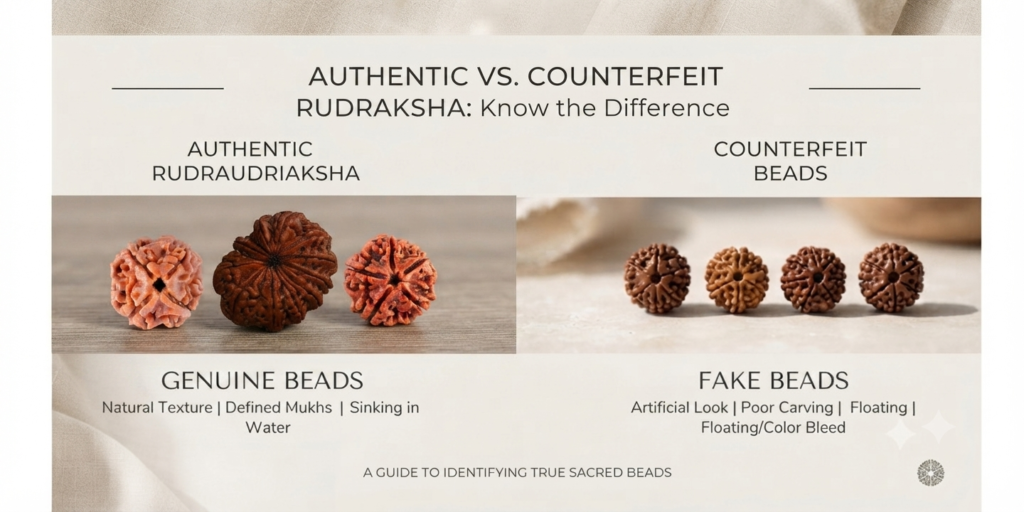
- Make sure the mukhi lines are naturally formed
- No artificial lines are carved into it
- No glued or modified sections are present
- Get professional confirmation
A genuine Rudraksha from any origin is better than a false Rudraksha.
Rudraksha Certification and Why it is Important
Rudraksha has become so popular that counterfeit and altered Rudraksha beads have become a common problem. The availability of professional Rudraksha certification provides buyers with reassurance of the authenticity and identification of the Rudraksha.
A Rudraksha certification laboratory can test the following:
- Authenticity
- Mukhi
- Signs of alteration
- Surface issue
- Integrity
Certified Rudraksha helps buyers make an informed purchase and protect against fraudulent products.
Final Thoughts
Rudraksha originates from multiple places, but the most known and searched for ones are: Nepal, Indonesia, and India. Each origin may have different physical appearance, but the most important consideration is not the location of the Rudraksha, but the authenticity.
Whether you are buying for your practice, collection, or personal use, it’s essential to buy genuine, tested, certified Rudraksha.
Published by Arun Moudgil on 21 December 2025